To park confidently, rebuild into another row and successfully overstate various obstacles on the road, you need to navigate well in space, feeling the dimensions of your car. This skill comes with experience, but there are some exercises and ways to slightly speed up the "process of addiction" to the car. They will be useful both beginners and experienced drivers who have sent to a new vehicle.
1
Examine all the dimensions of your car - the length and width of the bumper, wheels, landing height and others. All these volumes can be found in the instruction manual for the car. Of course, these figures will not make a seizure of the art of perfect maneuvering, but will help in some cases correctly calculate the distance for further movement.
2
In order to see whether the car fits into a narrow passage, and whether obstacles will not hurt, do not pull out to see the asphalt and do not attempt to get off the seating. To do this, in each new car, adjust the driver's seat and the rear view mirrors to see the rear wheels and the entire panorama of the road without unnecessary televitations. The driver's glance should always be sent forward to see the picture as a whole and correctly assess the situation on the road.
3
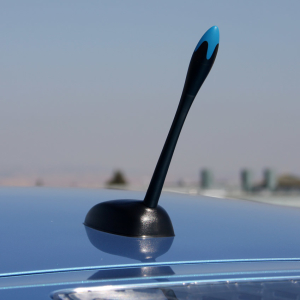
If you are difficult from the driver's seat to determine where the bumper ends, install a small antenna or decorative "cilia" for headlights. When moving by reverse, also use an antenna on the rear bumper in sedan cars, and in hatchbacks, try to navigate the back brush of the wiper.
4
There are several exercises in order to learn to feel dimensions. Select place for their execution, isolated from other cars and pedestrians, or use the specialized platform. Exercises "Snake" and "Eight". Arrange road cones or empty plastic bottles accordingly and start training. Circle obstacles at the minimum speed, gradually gaining the pace as the skills improve.
5
To properly evaluate the distance of the brake path, turn away to the required speed, and then sharply slow down. Arrange cones or cardboard boxes and train in braking in front of them since the distance between the obstacle and the car will not be reduced to a minimum.
6
Follow the two parallel lines from the front and rear wheels so that they can be seen from the driver's seat. Then lines along the posterior and front bumper and two perpendicular lines leaving the center of the wheels. Sitting in a car, try to remember the location of these lines or make the appropriate paper stickers inside the car. Exercises: Drive exactly along the wheels of the wheels, stop in front of the bumper line, make a movement by reversing along the lines, etc. The reference should serve the mark made.
7
After completing the previous exercises, secure the skill, putting an empty plastic bottle on the asphalt. Try to drive on her right wheels, then left and others. After several successful training, it will be much easier to travel around the various irregularities on the roads, parking in complex places and maneuver between other machines.
Some drivers manage to learn how to feel the dimensions of new cars. Another, even having driving experience on a particular car, is not always able to confidently assess the distance when driving. To get used to the dimensions of any car only permanent workouts and regular driving practices will help.
Share advice:"How to feel the dimensions of the machine"



 0
0 2253
2253